By Q1 2019 30,000 Build to Rent (BTR) units had been completed in the UK (link), so the evidence to inform design is growing. However with over 20 million units operating in the USA the maturity of their market is incomparable, giving great lessons for our fledgling BTR scene.
Recently I was lucky enough to stay at The Marlowe, a brand-new multi-family (aka BTR) scheme in Downtown Chicago by LMC. This gave me first-hand insight into what actually matters and how we should be building these schemes in the UK.
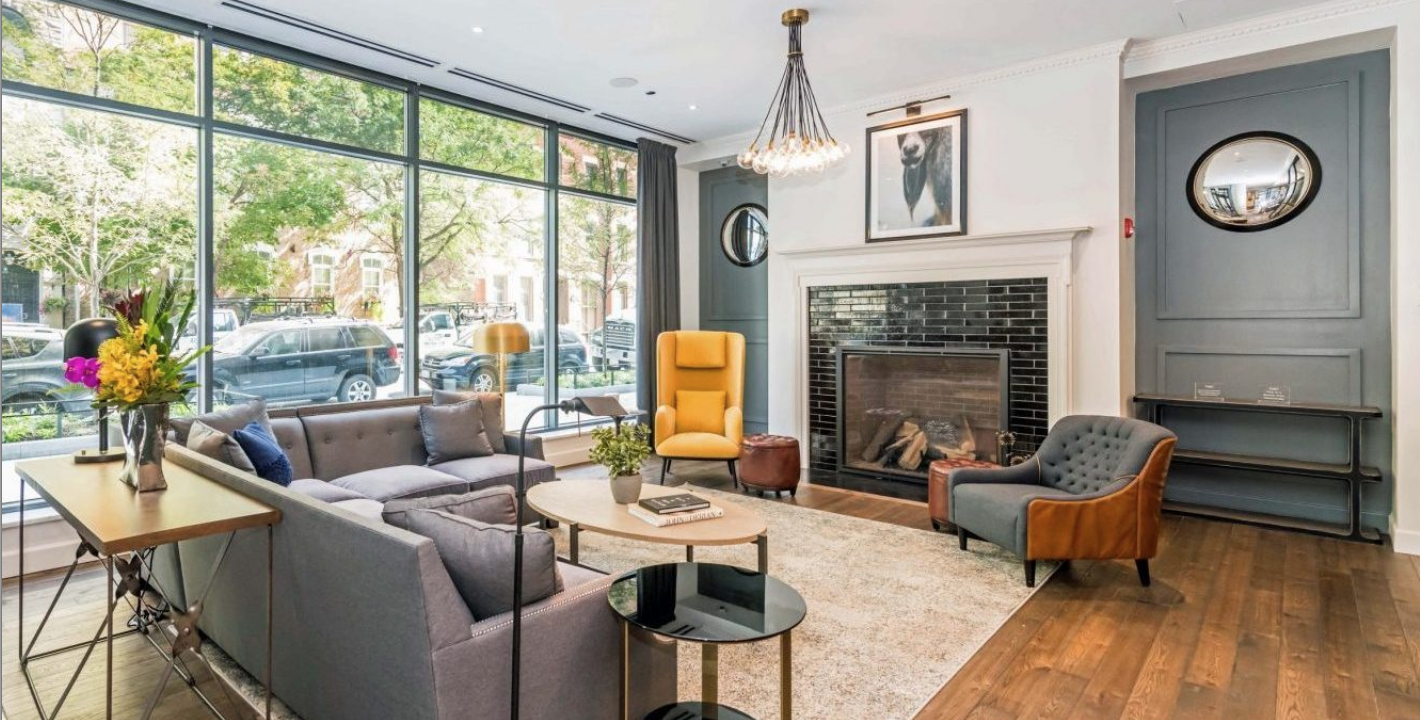
© Live Marlowe
What is Build to Rent (BTR) and why is everyone talk about it?
Build to Rent (BTR), somewhat obviously, is the term for housing, purpose built to be rented out and never sold.
Benefits of BTR:
1. Professionalisation & Stability
Since the introduction of ASTs in 1989, the rental market has been dominated by private landlords with little regulation. This has led to a great disparity in the quality and management of housing.
BTR landlords rely on good reputation and performance to entice tenants to stay as long as possible. Therefore, they should focus on providing well-managed properties, with transparent renting processes.
2. Amenity
Economies of scale mean that amenities can be provided for, say, 100 flats that wouldn’t be viable for a smaller development. These amenities could include gyms, cleaning, laundry & concierge services, nurseries, cinemas, rooftop gardens and so on, depending on the target tenant demographic.
3. Quality
Build to sell developers don’t have to deal with the consequences of the quality (or lack thereof) of their designs in the form of irate tenants. They have sold the properties long before wear and tear reveals inferior finishes and poor-quality building work.
BTR developers have to build higher-quality, more resilient buildings to maintain their reputation, reduce their ongoing maintenance costs and to continue to attract tenants in 5, 10, 15 years.
Lessons from The Marlowe
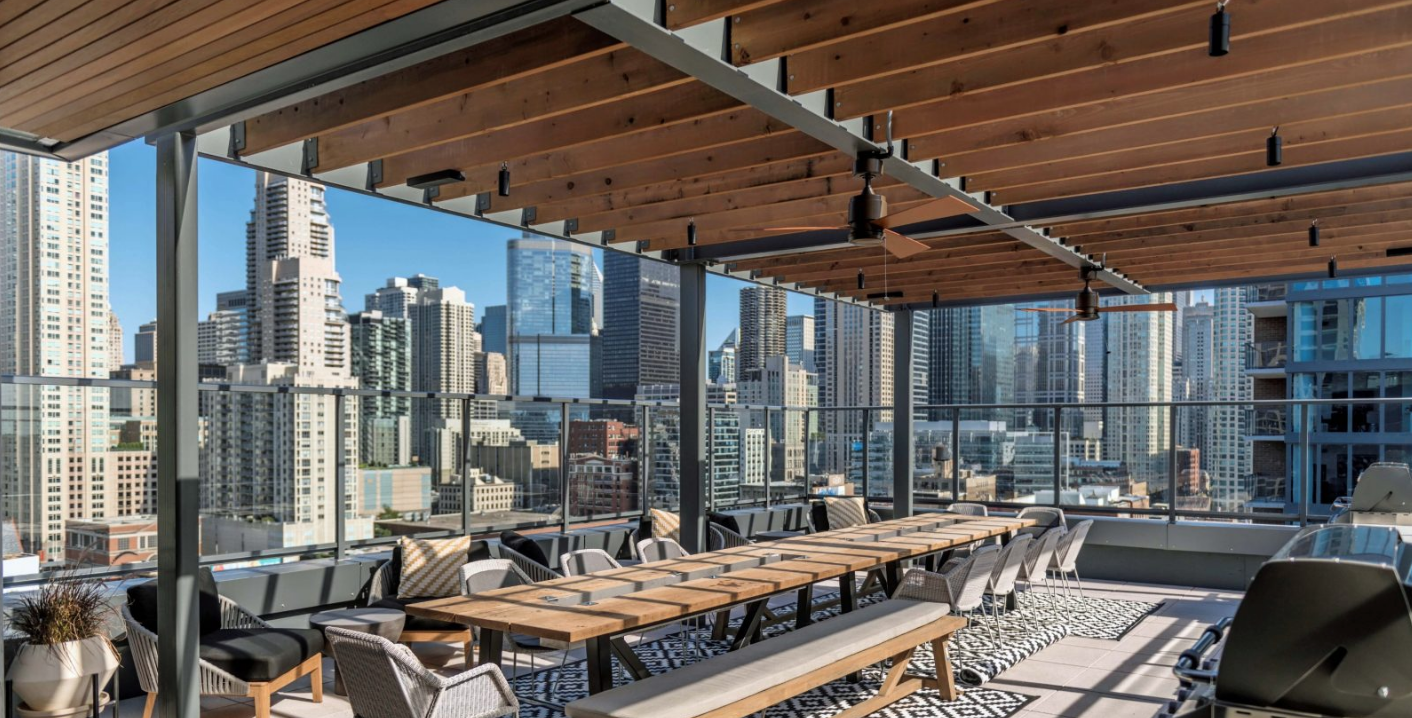
© Live Marlow
1. Small Spaces can be Generous Spaces.
My friend lives in a studio (floor plan below) but despite being only a studio, the space was generously arranged. The entrance hall had a little nook to sit down and put on your shoes. The washer-dryer had its own double cupboard – a mini utility room. The kitchen whilst a “galley” kitchen in style, was comfortably wide enough for two people. These elements seem small, even irrelevant in isolation however they add up to create a feeling of generosity and quality where all your needs, and needs you didn’t even know you had, are catered for.
When these thoughtful spaces are complemented with common areas – a shared roof terrace or cinema room – the actual square footage of the apartment matters less. In fact, three 5’10″+ adults (without small personalities…) stayed here for 5 days comfortably without getting on each other’s toes.

2. Basics First
Whilst the rooftop pool and One Peloton bikes were (very) fun, even people living in fancy apartment blocks need to pick up groceries. The CVS (equivalent of Sainsbury’s Local) just across the street from The Marlowe was super handy. It’s the kind of thing that gets overlooked as it won’t make the marketing brochure but if there’s not one close by the developer probably should include one on site. Everyone runs out of loo roll now and again…
3. People are Key
The two concierges I met – Maurice and Greg – were exceptionally friendly and welcoming. The front of house experience informs the whole experience so its value cannot be overplayed. BTR developers should think about their front of house the way a hotelier would – it is not a “nice to have” but an essential part of the scheme’s success.
There are plenty of other things that The Marlowe gets right – location, daylight, views, tech-integration – but the three points above are ones that make a huge difference but are often ignored.
In BTR schemes, tenants vote with their feet. If they do not like it they will leave and move to a newer, better-run scheme down the road. This is great for the tenants as the quality of rental accommodation should improve across the board.
And for developers it is a great opportunity to become competitive by providing the best-quality, most thoughtfully designed places where people want to be, live and stay.
It’s a win-win.

 People | Spaces | Places